
Most gardeners have at least one dark or shady spot in their garden. Shade can be difficult for plants as it creates a cool environment and is often coupled with extremes of dry or very damp soil. However, there are plenty of shade loving flowers and shrubs that tolerate these low-light conditions so it doesn’t need to remain bare for long.
Top tips for designing a shady garden
Shady corners needn’t be left bare. Here are some of our top tips to help you make the most of this space.
- Provide more light: Got a tree that’s casting shade? Try removing the bottom layer of branches to raise the canopy and allow more light through.
- Brighten up the area: Pale stones, gravel, paving slabs or even outdoor mirrors reflect light and immediately lift the look of a gloomy area. A pond or water feature is also a good way to reflect light and create interest. Painting walls, sheds or fences with a pale colour also brightens the space.
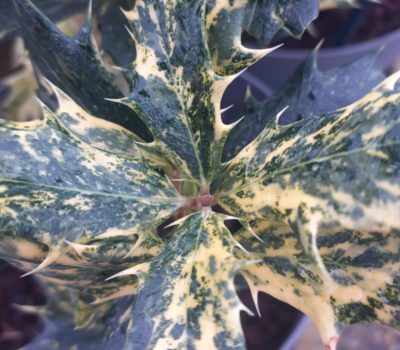
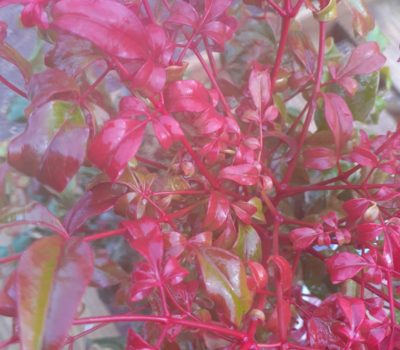
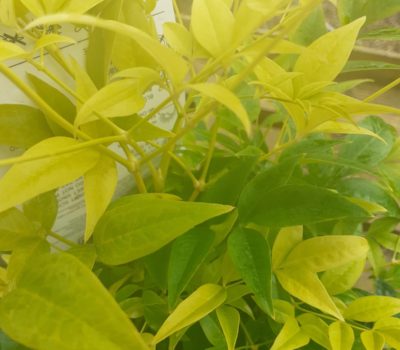
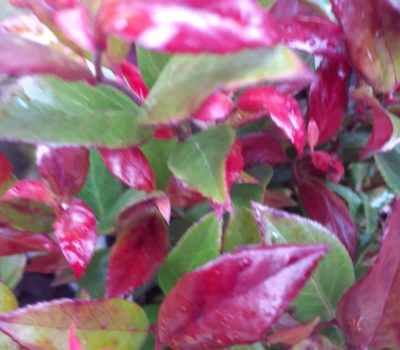
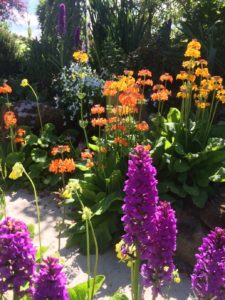
- Choose wisely: Use plants with light or colourful foliage and flowers to lift your planting scheme. These will stand out in a shady area.
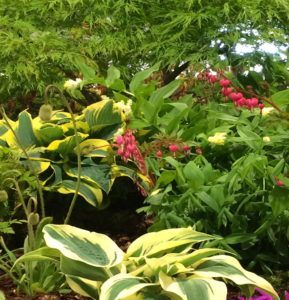
- Use texture: Make the area more eye-catching by incorporating different leaf shapes such as ferns, Hostas and grasses with your flowering plants.
- Lawn type: If you want a lawn, make sure you choose a seed mix or turf that’s suitable for shady areas.
Types of shade
In order to grow plants that thrive in the shade, you need to choose one that is suitable for your particular conditions. In short: you need to understand the type of shade in your garden.
At the top of the list, there’s “full sun”, which is just what you’d imagine – a spot in the garden that gets more than six hours of sun during the day (at midsummer). This moves down through:
- light shade (open to the sky, but not getting direct sunlight)
- semi-shade (some direct sun at midsummer)
- dappled shade (diffused light, such as the kind that comes through a canopy)
- moderate shade
- deep shade (under dense tree cover)
In addition to the amount of shade your garden gets, you’ll also need to think about whether the ground is dry or wet in order to choose the best plants.
How to deal with dry shade
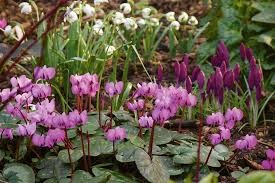
Dry shade often occurs in urban gardens. Usually, it’s the kind of shade found at the base of walls that face away from the direction of the wind, meaning the ground is sheltered from the rain. Dry shade also occurs beneath large trees with shallow roots. The leaves prevent rain reaching the ground and the soil moisture is further depleted by the shallow root system of the tree. These problems may be further exacerbated if your soil is sandy or shallow and chalky.
The most important thing to do before planting is to improve your soil’s ability to hold water. You can do this by digging in lots of organic matter (such as well-rotted manure or compost) during the spring or autumn. It’s also worth adding mulch around the base of your plants after the soil is damp from seasonal rainfall (also in the spring and autumn). Suitable mulches include organic matter, decorative stones, gravel or bark chippings.
Another trick is to create a wide planting hole and line it with perforated polythene. Mix the excavated soil with well-rotted manure or compost before backfilling the hole. The polythene should help retain more water for your plants. Remember that new plants won’t have an established root system so will need constant watering in their first season.
How to deal with damp shade
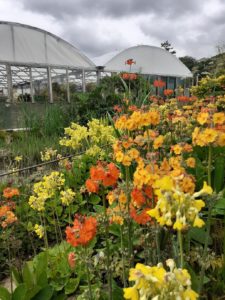
Damp shade naturally occurs in areas of woodland or forest where the cool, moist environment is ideal for foliage plants such as ferns and hostas. In gardens, these conditions may occur near water or in areas with clay soil.
As with dry shade, the most important thing to do before planting is to improve your soil by digging in plenty of organic matter, such as well-rotted manure or compost. This will improve drainage, which is particularly helpful if you have heavy clay soil. It’s also worth applying a mulch of organic matter around the base of your plants every year in the spring. This will break down over time and further improve your soil structure.
Best shrubs for shade
There are lots of shrubs that grow equally well in areas of dry or damp shade including Mahonia, the non-fussy Symphoricarpus (Snowberry), Viburnum and Sarcococca (Sweet Box).
For dry shade, you can plant:
- Cotoneaster horizontalis – a deciduous, resilient choice
- Pyracantha (Firethorn) is another hardy choice
- Eleagnus x ebbingei (Oleaster)
- Garrya elliptica (Silk-tassel bush)
- Hypericum calycinum (St John’s Wort/Aaron’s Beard)
- Osmanthus delavayi
- Chaenomeles x superba (Japanese Quince)
For damp shade, you can plant:
- Aucuba
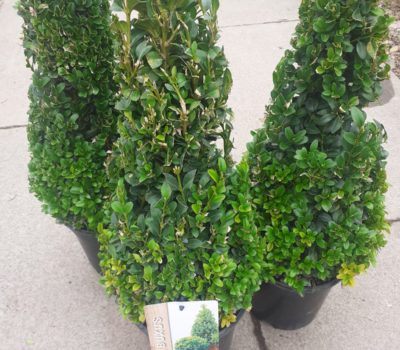
- Buxus sempervirens (Common Box)
- Camellia
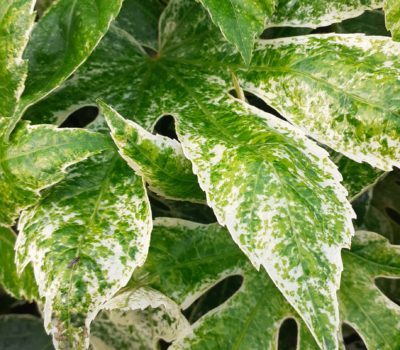
- Fatsia japonica (Japanese Aralia)
- Hydrangea
- Skimmia japonica
Best Perennials for shade
Perennials do particularly well in the shade, and you’ll find a huge variety for darker areas of your garden. Some, like Bergenia cordifolia (Elephant’s Ears) and Convallaria (Lily-of-the-Valley) work equally well in damp or dry shade. Some you’ll need to pick according to the conditions in your garden.
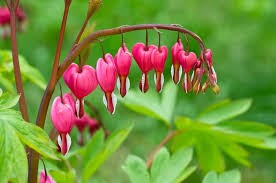
For dry shade, you can plant:
- Alchemilla mollis (Lady’s Mantle)
- Brunnera macrophylla (Siberian Bugloss)
- Dicentra (Bleeding Heart) Lamprocapnus
- Dryopteris filix-mas (Male Fern)
- Euphorbia amygdaloides (Wood Spurge)
For damp shade, you can plant:
- Astilbe (False Goat’s Beard)
- Astrantia major (Hattie’s Pincushion)
- Carex flagellifera (Sedge)
- Geranium sylvaticum (Wood Cranesbill)
- Hosta (Plantain Lily)
- Ligustrum ovalifolium ‘Aureum’ (Golden Privet), which can handle even deep shade
- Primula (Primrose)
- Pulmonaria (Lungwort)
- Thalictrum (Meadow Rue)
- Uvularia grandiflora (Large Merrybells)